


2025 Mechanism Guide: How Do Claw Machines Work?
This expert-level guide provides a structured analysis of modern claw machine architecture, including electronic control boards, torque-regulated claw mechanisms, payout programming logic, stepper motor movement, and diagnostic systems. Designed for industry professionals, operators, and enthusiasts seeking accurate, in-depth mechanical knowledge.
Preface — Why Claw Machines Fascinate Players Worldwide
Anyone who has ever stood in front of a glowing claw machine knows the feeling: excitement, anticipation, and an irresistible desire to snag the perfect prize. Yet just when you think you’ve won, the claw loosens its grip, dropping the plush toy inches from the prize chute.
This moment captures the fundamental charm of claw machines—simple mechanics wrapped in suspenseful, emotionally charged gameplay.
Claw machines, also called crane games, blend:
- Mechanical engineering
- Electronic control systems
- Player psychology
- Game design
- And operator business strategies
Before we dive into motors, claws, and payout rates, let’s begin with a simple question: What actually happens inside a claw machine when you play? To answer this, we’ll break the mechanism down step by step, from payment to prize release.
Understanding How Claw Machines Work: 4 Simple Steps
Despite their complex internal systems, claw machines operate using a surprisingly straightforward sequence. Below is the complete process, expanded for clarity.
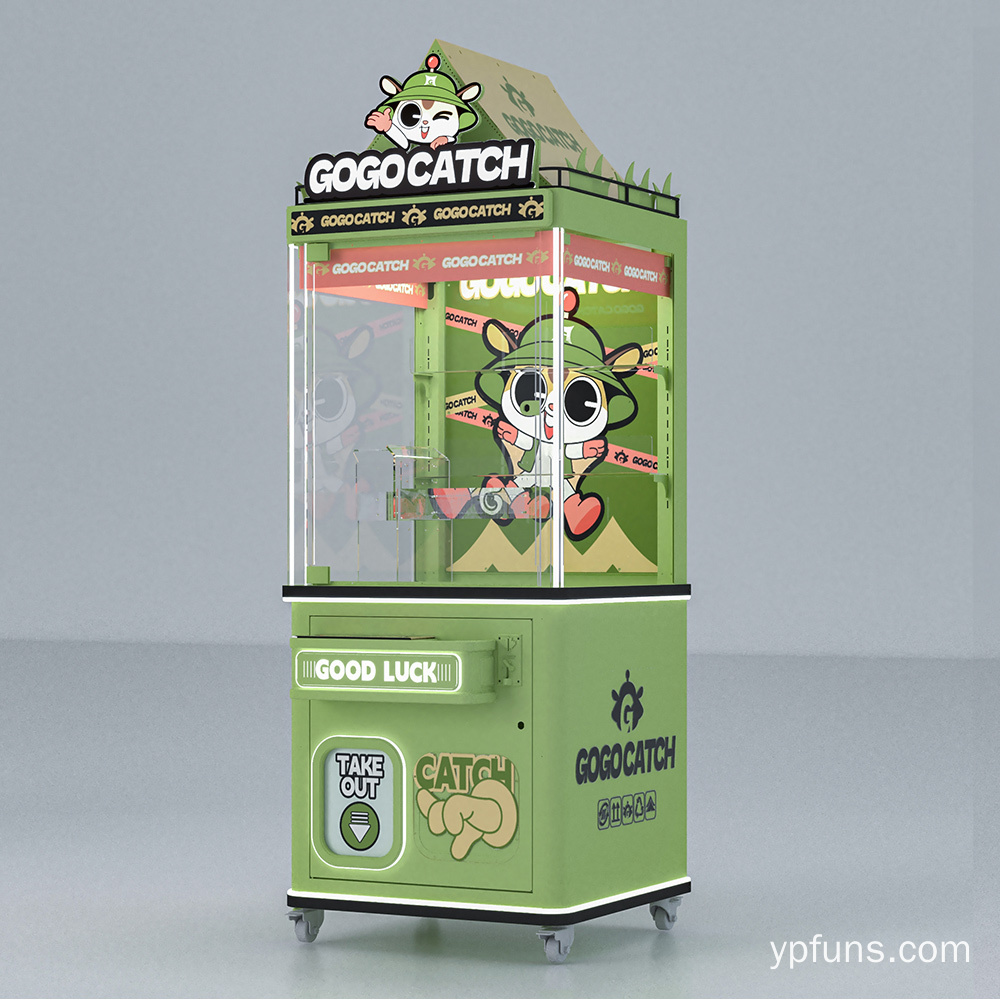
Despite their complex internal systems, claw machines operate using a surprisingly straightforward sequence. Below is the complete process, expanded for clarity.
Step 1 — Insert Coins or Tap Card/QR Code
Modern machines accept:
- Coins
- Tokens
- Bills
- NFC payments
Mobile QR codes (Alipay, WeChat Pay, Apple Pay)
Once payment is accepted, the machine’s logic board registers an available credit and activates the joystick interface. Lights brighten, music starts, and the countdown timer begins.
Step 2 — Move the Joystick
The joystick directly controls a set of two motors that move the claw carriage along:
- X-axis (left and right)
- Y-axis (forward and backward)
The player positions the claw above the desired prize. Movement limits are controlled by:
- Limit switches
- Track rails
- Motor programming
A timer of 10–25 seconds prevents players from repositioning endlessly.
Step 3 — Press Button to Lower the Claw
When the button is pressed:
- The Z-axis motor activates
- The claw is lowered
- Springs inside the claw arms open naturally
- Sensors detect contact with the prize or bin floor
Once the claw reaches minimum depth, its arms contract around the target.
Step 4 — Return, Reset & Prize Drop
If the claw successfully grips the item:
- It lifts up the Z-axis
- Moves back along X/Y axes
- Aligns with the prize chute
- Opens its arms to release the prize
Finally, the system resets, returning the claw to its origin point for the next player.
Game Start: Understanding Player Interaction
When payment is inserted, the machine transitions into “player mode.” This includes:
- Activation of LED lights
- Upbeat background music
- On-screen prompts
- A visible countdown timer
These design elements intentionally increase urgency and excitement. The joystick provides tactile feedback, while the control button becomes the player's tool for timing, accuracy, and strategy.
Engineering Breakdown: How the Claw Actually Moves
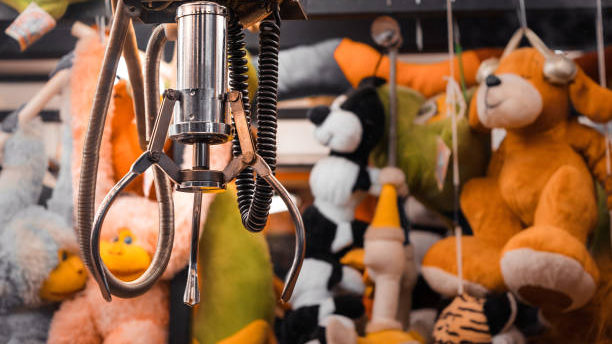
Behind the transparent glass is a complete mechanical system.
X and Y Axis Motors
The claw carriage moves across metal rails using:
- Track belts
- Gear motors
- Pulley systems
- Limit switches
These determine how far the claw can travel.
Z Axis Descent Mechanism
The vertical system uses:
- A wound cable
- A stepper motor or servo motor
- A spool system to lower/raise the claw
- A limit sensor that detects when the claw reaches bottom
Motor Types Used in 2025 Machines
Modern claw machines use:
- Stepper motors (precise control, cost-effective)
- Servo motors (smoother motion, higher accuracy, premium models)
These motors translate the player’s joystick movement into controlled mechanical action.
The Moment of Descent: How the Claw Engages the Prize
When lowered, claw arms automatically open due to tension springs. Upon reaching the lowest point, a programmed grip-strength motor activates to pull the arms closed.
Factors affecting performance include:
- Claw size
- Arm angle
- Spring tension
- Prize shape and weight
- Grip strength settings
The Claw's Grip Strength Explained (Skill vs. System Control)
This is where reality differs from player perception.
Machines Use Adjustable Grip Strength
Operators can set:
- Base grip strength
- “Strong grab” frequency
- Payout rates (win after X plays)
This ensures profitability while still allowing fair play.
Why the Claw Sometimes “Lets Go”
It is not a malfunction—this is part of the programmed tension release cycle:
- Weak grip → encourages repeat plays
- Strong grip → timed for payout optimization
Player skill still matters for positioning, but claw strength is controlled by machine software.
The Return Journey: Transporting the Prize Back to the Chute
This phase is surprisingly complex. The claw must:
- Lift the prize evenly
- Reduce sway caused by sudden movement
- Stabilize during transport
Loose grip or heavy swinging may cause drops—by design or by physics.
Upon reaching the chute:
- A solenoid triggers claw opening
- Gravity drops prize into the collection bin
Reset Sequence: Preparing for the Next Player
Once the game ends:
- The claw returns to its home coordinate
- Lights shift into standby
- Music plays to attract new players
- The system lowers power consumption
This “attract mode” is a core part of engaging passersby.
Unveiling the Technology Behind Modern Claw Machines
2025 machines include:
- Microcontroller boards for input/output control
- Programmable payout systems
- AI-based grip optimization
- Cloud monitoring enabling operators to view income, errors, and play logs remotely
Sensors such as:
- Hall sensors
- Limit switches
- Optical sensors
…ensure precise motion control.
Maintenance, Troubleshooting & Machine Longevity
To operate efficiently, claw machines require:
- Weekly cleaning
- Monthly mechanical checks
- Motor lubrication every 3–6 months
- Prize box restocking
- Control board diagnostics
Common issues include:
- Claw misalignment
- Track motor failure
- Cable wear
- Power supply instability
Operators typically reset or repair issues through onboard control panels or remote diagnostics.
Expanded FAQs on Claw Machine Mechanism (Advanced 2025 Edition)
1. How often do claw machines allow wins?
The win rate of a claw machine depends on the operator’s payout settings, not on random chance. Modern machines use a combination of programmed logic and mechanical limitations to trigger “strong grip” cycles.
Main payout models include:
• Fixed Play Count Payout
A strong grip is triggered after a set number of attempts—for example, every 8th, 12th, or 18th play.
• Revenue-Based Payout
The control board monitors how much money has been inserted. Once a revenue threshold is met, the grip strength increases for a potential win.
• Dynamic AI Payout (2024–2025 models)
Advanced machines analyze real-time data such as:
- Average plays per hour
- Prize inventory
- Player behavior
- Location traffic
- Operating day revenue
AI then decides when a strong grip should be released to balance fairness and profitability.
In summary: Win frequency is fully adjustable and varies between operators, venues, and machine models.
2. Does player skill influence outcomes?
Yes, but only to a certain extent. Skill affects the early phase of the game, while the machine’s programmed mechanics influence the final result.
Skill-related factors:
- Precise joystick control
- Aligning the claw from the front and side
- Targeting lighter or easily hooked items
- Understanding claw rotation
- Timing the drop
Non-skill factors:
- Grip strength
- Claw closing torque
- Internal payout logic
- Drop timing
- Motor speed
Conclusion:
Player skill helps, but the machine’s internal programming determines whether the grip strength is strong enough to secure a win.
3. What happens if a claw machine breaks mid-game?
Modern claw machines include multiple safety and recovery mechanisms.
Typical responses include:
• Automatic Safety Lock
The claw freezes in place to prevent damage to the motors and electronics.
• Error Detection System
Newer machines identify issues such as:
- Loose wiring
- Motor overheating
- Sensor malfunction
- Jammed claw
These errors trigger on-screen codes.
• Operator Reset
Staff can reset the system through the control panel, restoring operation immediately.
• Compensation Policy
Most arcades offer:
- A free replay
- A refund for lost credits
- Manual retrieval if a prize was clearly secured before the malfunction
Bottom line: Machine breakdowns are rare, and players are typically compensated when they occur.
4. Can players improve their chances of winning?
Players can improve their strategy, but they cannot override the machine’s programmed grip strength.
Effective strategies include:
- Choosing prizes near the top or leaning against the glass
- Targeting items with strong grabbing points (loops, tags, arms)
- Observing cycles to predict payout strength
- Watching for claws that rotate consistently
- Avoiding heavy or tightly packed plush toys
However, players cannot influence:
- Payout mode
- Grip strength calibration
- Motor torque
- Claw opening width
- Internal timing logic
You can increase your odds—but you can never guarantee a win.
5. Why does the claw feel strong sometimes and weak at other times?
This is deliberate design, not inconsistency. Grip strength is digitally programmed.
Reasons for fluctuating grip strength include:
- Payout cycle activation
- Weight of the prize
- Claw type (2-prong, 3-prong, or 4-prong)
- Prize height inside the crane bed
- Motor voltage output
- Operator difficulty settings
Most machines use variable grip strength during a single play:
- Medium strength on descent
- Strong strength during payout
- Reduced strength when lifting (non-payout cycles)
This creates the classic “almost winning” experience that keeps players engaged.
6. Are all claw machines rigged?
No. Claw machines are not “rigged” in the sense of cheating or breaking rules. They use regulated difficulty settings to balance entertainment value with business profitability.
Legitimate industry practices include:
- Adjustable grip strength
- Regulated payout rate
- Time-controlled movement
- Prize value compliance
- Safety limitations on claw pressure
In many regions, regulators require:
- Transparent payout descriptions
- Fair play labeling
- Prize value disclosure
Claw machines are skill-based games with controlled difficulty—not illegal or deceptive devices.
7. Why do some machines have stronger claws than others?
Differences in hardware quality and prize type produce major variations.
Factors that influence claw strength:
- Motor power (torque rating)
- Spring tension inside the claw
- Claw size and weight
- Plush density and shape
- Control board model
- Voltage stability
- Maintenance history
High-end 2024–2025 units use:
- CNC-balanced claws
- High-torque DC motors
- Reinforced springs
- Adjustable power modules
These machines offer smoother, more predictable grabbing behavior.
8. Can operators customize the machine settings?
Yes. Modern claw machines offer extensive customization through a control panel or cloud dashboard.
Adjustable settings include:
- Game duration
- Claw opening width
- Claw grip strength (weak/medium/strong/payout)
- Power percentage during each movement phase
- Drop speed
- Lifting torque
- LED colors and brightness
- Sound effects and voice prompts
- Price per play
- Payout frequency
Some advanced models allow remote control via mobile apps or cloud platforms.
9. Why do prizes sometimes fall right before reaching the chute?
This is a natural combination of physics and programmed behavior.
Mechanical causes:
- Sudden shift in the center of gravity
- Side-sway of the claw during movement
- Prize slipping due to material texture
- Claw rotation changes during travel
- Inconsistent lifting angle
Programmed causes:
Non-payout cycles intentionally weaken grip strength during:
- Lift-off
- Horizontal movement
- Final approach
Psychological effect:
The near-win scenario increases motivation to try again, contributing to player engagement.
10. Are claw machines safe for children?
Yes. Modern machines meet strict international safety standards.
Safety features include:
- Tempered glass panels
- Soft-edged cabinets
- Anti-pinch rails
- Low-voltage internal circuits
- Overheating protection
- Child-safe door locks
- Stable power transformers
Parents should supervise younger children to prevent finger-pinching when opening the prize door.
11. Why do some machines feel more “fair” than others?
Perceived fairness varies due to differences in:
- Operator settings
- Prize type
- Machine model
- Internal programming
- Maintenance quality
Machines placed in family entertainment centers often use higher grip strength to encourage wins, while machines in malls or cinemas may be set slightly more conservatively.
12. Do claw machines use sensors to detect prize weight?
Some advanced machines (mainly 2023–2025 models) do.
Weight detection modules may include:
- Tension sensors
- Motor torque monitoring
- Current draw analysis
- Pressure sensors in the claw
These help the system adjust grip strength or decide whether to complete a payout.
13. Can claw machines operate with cashless payments?
Yes. Most modern machines support:
- QR code payments
- NFC tap cards
- Digital wallets
- Token cards
- Mobile app credits
Cashless systems increase play frequency and simplify revenue tracking for operators.
14. What determines how smooth the claw movement feels?
Movement quality is influenced by:
- Motor quality
- Linear rail lubrication
- Pulley tension
- Belt alignment
- Controller response time
A high-quality machine feels stable and predictable, while older or poorly maintained machines may feel jerky.
15. Do claw machines save gameplay data?
Yes. Many machines log operational metrics such as:
- Play count
- Win count
- Revenue per day
- Fault history
- Prize usage
- Player behavior patterns (AI models only)
Operators use this data to optimize settings and improve machine performance.
Conclusion
Understanding how claw machines work enhances both the player’s enjoyment and the operator’s business potential. With a blend of mechanical systems, digital controls, payout logic, and psychological design, claw machines remain one of the most fascinating and profitable arcade games in 2025.
- Preface — Why Claw Machines Fascinate Players Worldwide
- Understanding How Claw Machines Work: 4 Simple Steps
- Step 1 — Insert Coins or Tap Card/QR Code
- Step 2 — Move the Joystick
- Step 3 — Press Button to Lower the Claw
- Step 4 — Return, Reset & Prize Drop
- Game Start: Understanding Player Interaction
- Engineering Breakdown: How the Claw Actually Moves
- X and Y Axis Motors
- Z Axis Descent Mechanism
- Motor Types Used in 2025 Machines
- The Moment of Descent: How the Claw Engages the Prize
- The Claw's Grip Strength Explained (Skill vs. System Control)
- Machines Use Adjustable Grip Strength
- Why the Claw Sometimes “Lets Go”
- The Return Journey: Transporting the Prize Back to the Chute
- Reset Sequence: Preparing for the Next Player
- Unveiling the Technology Behind Modern Claw Machines
- Maintenance, Troubleshooting & Machine Longevity
- Expanded FAQs on Claw Machine Mechanism (Advanced 2025 Edition)
- 1. How often do claw machines allow wins?
- 2. Does player skill influence outcomes?
- 3. What happens if a claw machine breaks mid-game?
- 4. Can players improve their chances of winning?
- 5. Why does the claw feel strong sometimes and weak at other times?
- 6. Are all claw machines rigged?
- 7. Why do some machines have stronger claws than others?
- 8. Can operators customize the machine settings?
- 9. Why do prizes sometimes fall right before reaching the chute?
- 10. Are claw machines safe for children?
- 11. Why do some machines feel more “fair” than others?
- 12. Do claw machines use sensors to detect prize weight?
- 13. Can claw machines operate with cashless payments?
- 14. What determines how smooth the claw movement feels?
- 15. Do claw machines save gameplay data?
- Conclusion
Claw Machine Business Cost: Your Ultimate 2026 Guide to Launching a Profitable Arcade Venture
The Definitive Guide to Choosing a Top Claw Machine Manufacturer in 2026
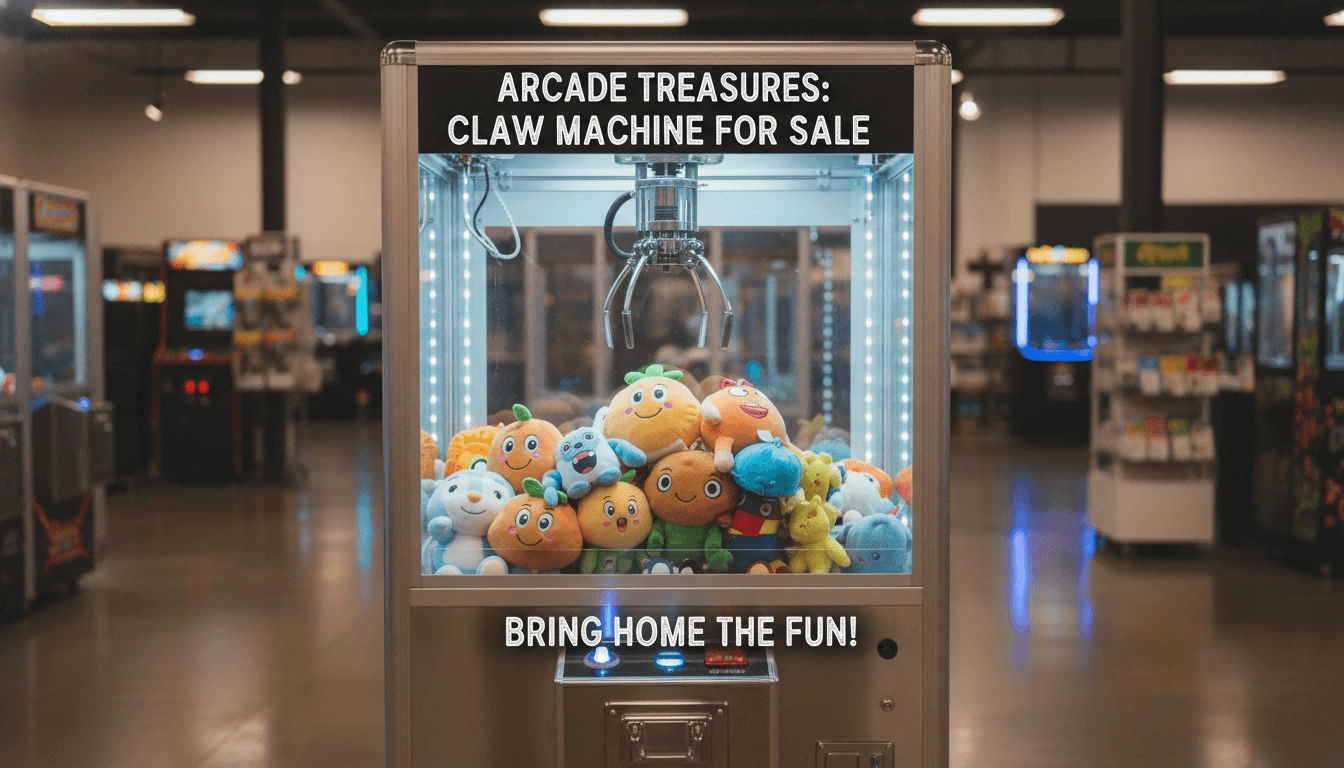
Unlocking Fun & Profit: The Ultimate 2026 Buyer's Guide to Claw Machines for Sale
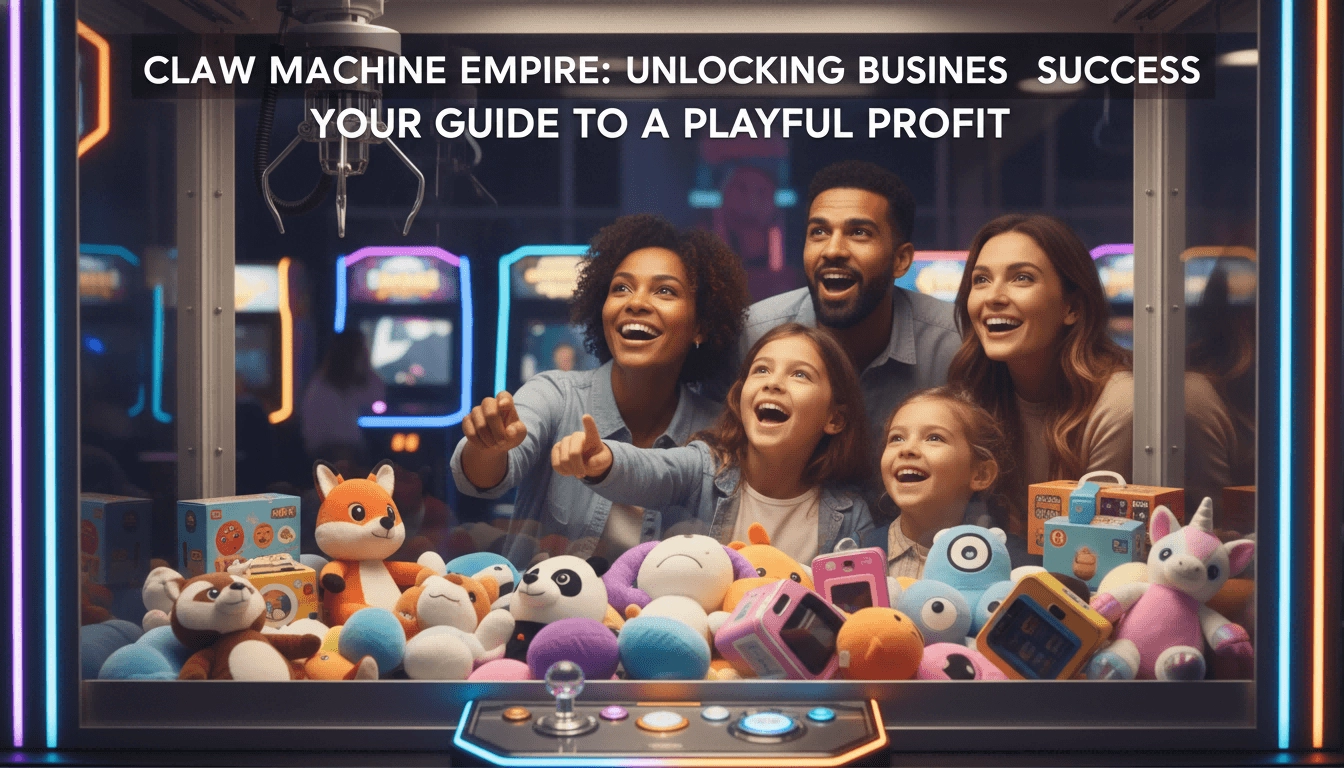
Unlock Profits: The Ultimate 2026 Guide to Starting a Highly Profitable Claw Machine Business

Mastering the Claw Machine Arcade: History, Winning Strategies, and Top Tips for Every Player
Solutions
The display of gifts, what type of gifts are suitable for in the exchange area?
The display of gifts: Put the same color, type, and height of gifts together to ensure a strong visual effect and clear theme publicity according to the promotion of the theme to strengthen the effect.
The key points of the display are: the right time, the right gifts, the right price, the right quantity, and the right location.
Gifts suitable for the exchange area: boutique products, bags, toys, handmade products, blind boxes, currently popular products, as well as medium and extra-large dolls.
Customization
What kind of shipment provided?
Claw machines could be shipped by sea or by air, and we provide shipment service, CIF (to destination port), and DDP (to door) service.
Custom claw machine design available?
Product features, such as game machine cabinet, claw crane size, company logo, color, etc., are welcome.
Product parameters, such as coins, coin collectors, voltage, plug, etc., are welcome.
How can I solve the Game Machines malfunction?
Please show us what the problem was, and then our professional technicians will provide you with a solution in 24 hours. According to the game machines we sold, we gave away a small accessory kit for free. If you need to replace the main part, we only charge the cost friendly. Doing Win-Win business happily is the aim of arcade games claw machine manufacturer YPFuns.
Product
How long is the warranty?
We offer an 18-month warranty and the concept of lifelong maintenance.
You may also like
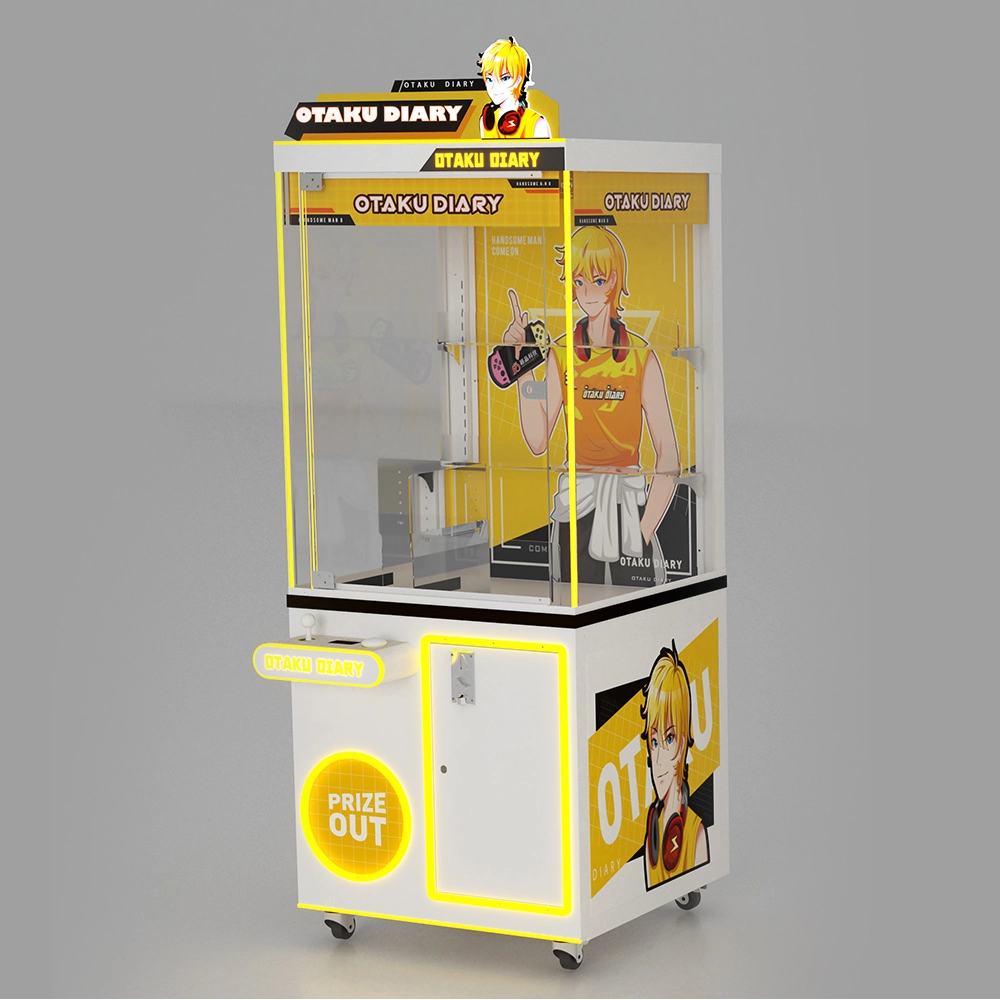
Hardware and Acrylic YP-OT1001 Otaku Diary Claw Machine 1 with locker wholesale factory
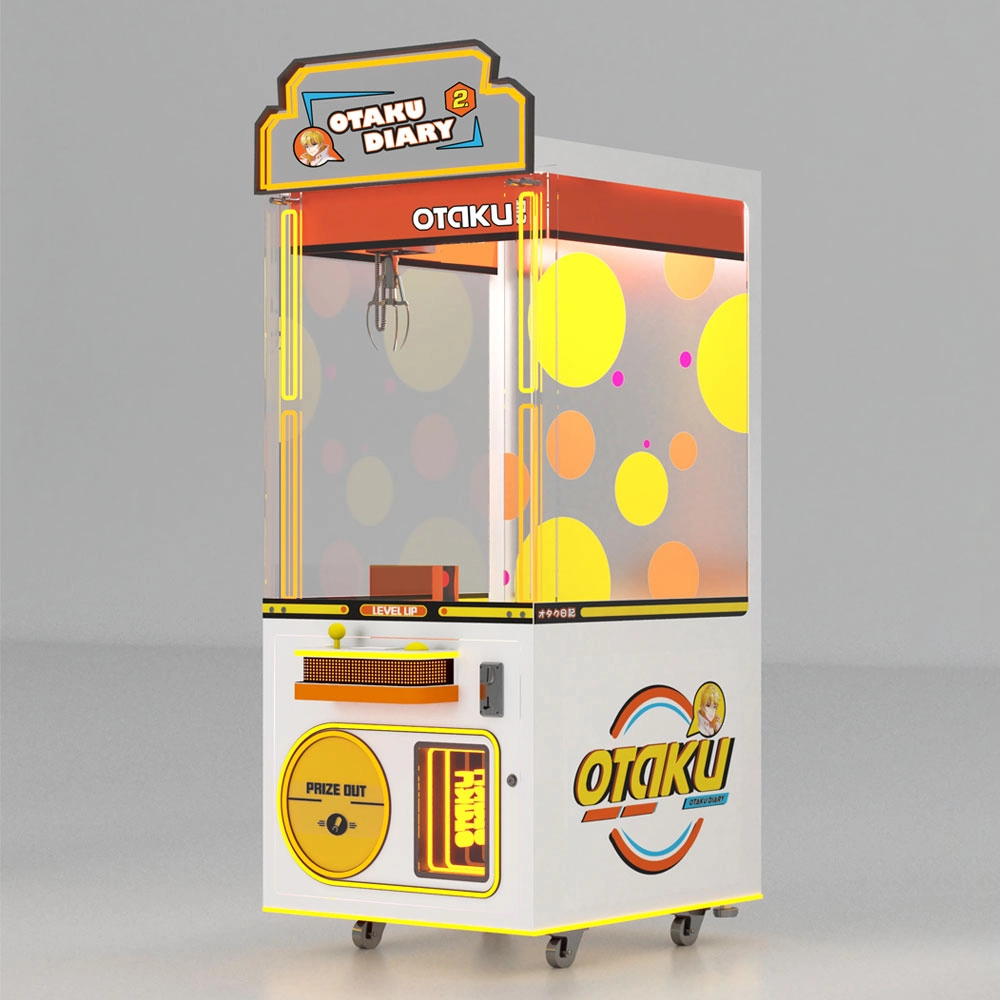
YP-OT1002 Hardware and Acrylic Otaku Diary 2 Claw machine wholesale factory
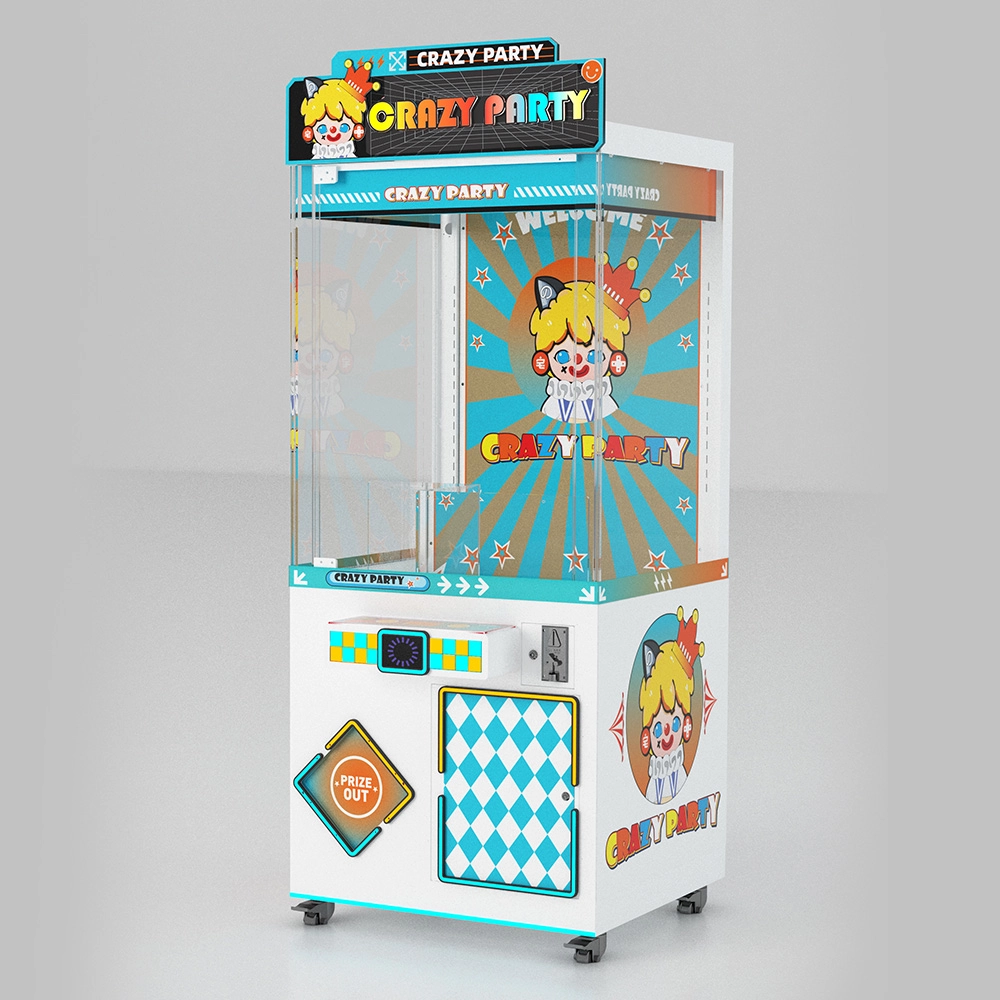
Colorful Wholesale factory YP-CP7001 Crazy Party Claw Machine with Hardware and Acrylic
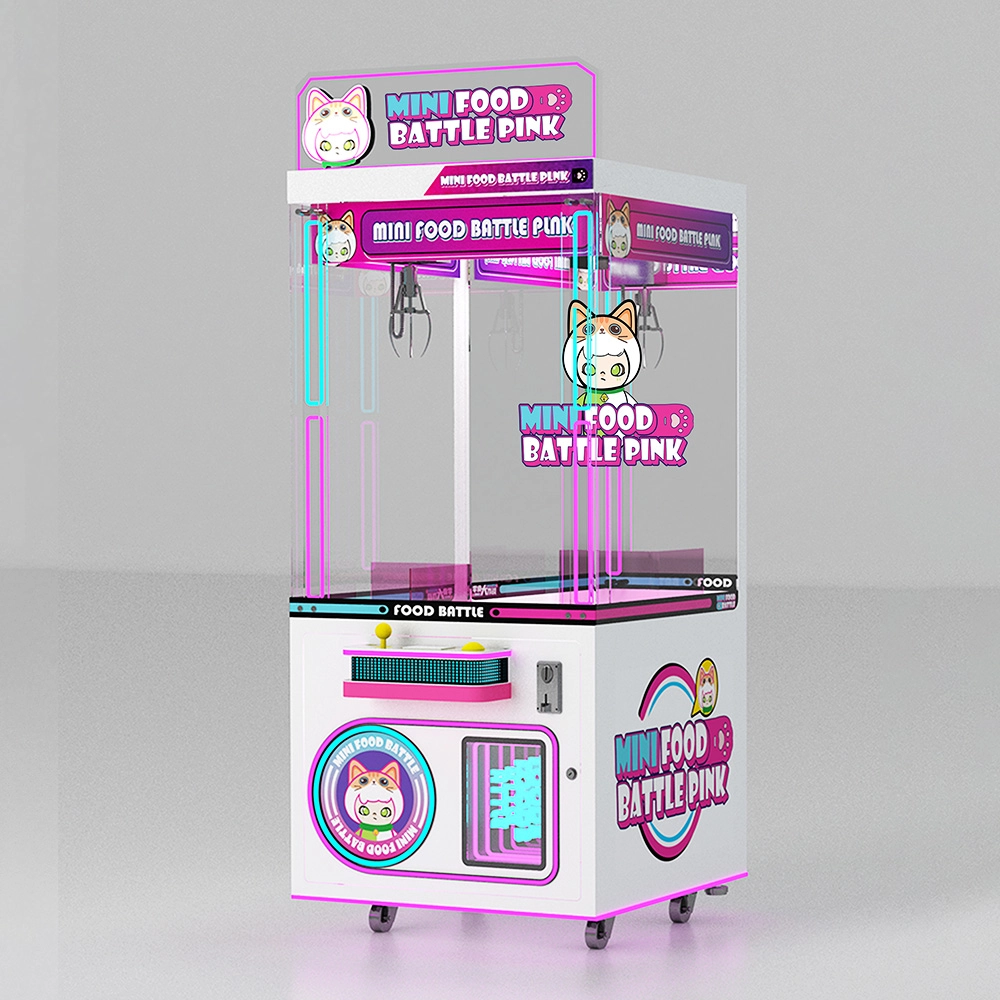
OEM YP-FB2002 YPFuns Green and Yellow/Pink and Blue Food battle 2 Prize Crane Machine
CONNECT WITH EASE
Have any questions or queries about our products? Please leave us a message here and our team will get back to you promptly.
Your inquiries, ideas, and collaboration opportunities are just a click away. Let's start the conversation.
* Rest assured that your privacy is important to us, and all information provided will be handled with the utmost confidentiality.
At YPFuns, we provide professional prize machine and claw machine design and customized service to create an extraordinary effect.
Contact YPFuns
Address: 1/F of NO G28, G29 and G30, Startcartoom, No 143Yingxing East Road. Donghuan Street, Panvu District, Guangzhou, China.
USA Address: 5164 W Colonial Dr. Orlando, FL 32808 U.S.A.
service@ypfuns.com
Copyright © 2024 YPFUNS All Rights Reserved. Designed by gooeyun
YPFuns Global
YPFuns Global
YPFUNS Global
YPFUNS Claw Machine